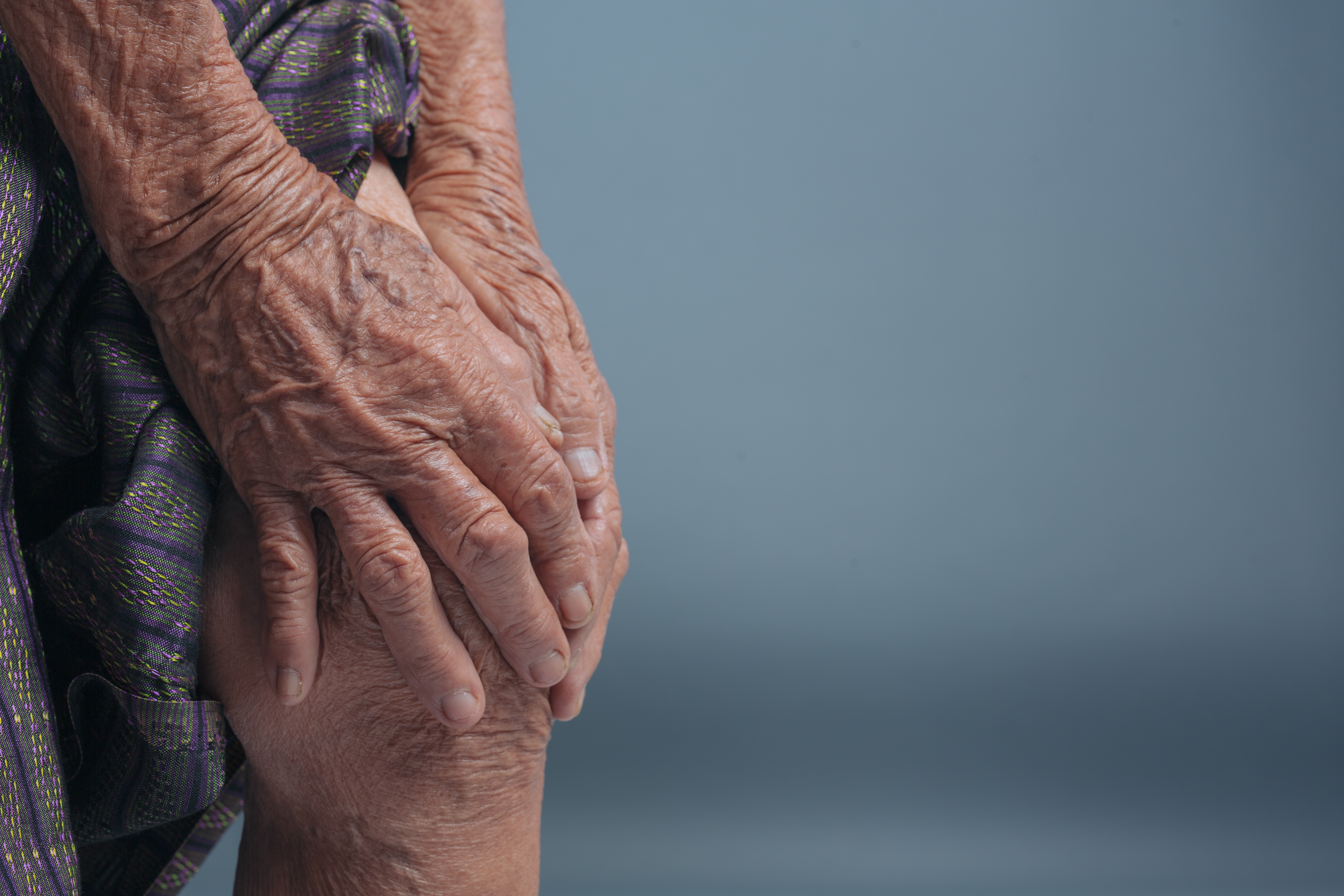
What is Osteoarthritis?
Osteoarthritis is a common joint condition. It happens when the protective cartilage in your joints wears down over time. This can cause pain, swelling, and stiffness. Many people experience osteoarthritis as they age. However, younger adults can also develop it, especially after joint injuries. Osteoarthritis is the most common type of arthritis. It often affects the knees, hips, hands, and spine. Because it can limit movement, it may impact daily life. Early care can help manage symptoms and slow the disease.
Causes of Osteoarthritis
Several factors can lead to osteoarthritis. While aging is the main cause, other reasons can play a role. For example, joint injuries or repeated stress on a joint may increase your risk. In addition, being overweight puts extra pressure on your joints. Family history can also make you more likely to develop osteoarthritis. Sometimes, bone or joint problems present at birth can be a cause.
Common Symptoms
Osteoarthritis symptoms can develop slowly. At first, you may notice mild pain or stiffness. Over time, symptoms may become more noticeable. For many, pain gets worse after activity. However, rest can help reduce discomfort. Some people feel stiff in the morning or after sitting for a while. Swelling and a grating feeling in the joint are also common. In some cases, you may lose some joint movement.
Diagnosis
Doctors use several steps to diagnose osteoarthritis. First, they ask about your symptoms and medical history. Next, they examine your joints for swelling, pain, or movement problems. Sometimes, doctors order X-rays to check for joint damage. In some cases, they may use MRI scans for a closer look. Blood tests can help rule out other types of arthritis. Early diagnosis is important for better management.
Treatment Options
There are many osteoarthritis treatment options. The goal is to reduce pain and improve joint function. For mild symptoms, doctors may suggest lifestyle changes first. Medicines can help manage osteoarthritis pain and swelling. Physical therapy can strengthen muscles and support joints. In some cases, doctors may recommend joint injections. For severe cases, surgery may be needed. Treatment plans are tailored to each person’s needs.
Lifestyle Tips for Managing Osteoarthritis
Managing osteoarthritis pain at home is possible with some changes. For instance, regular gentle exercise can keep joints flexible. In addition, maintaining a healthy weight reduces pressure on your joints. Using heat or cold packs may ease pain and swelling. It is also helpful to rest when your joints feel sore. Moreover, supportive shoes and walking aids can make movement easier. Always talk to your doctor before starting new activities.
Prevention Strategies
While you cannot always prevent osteoarthritis, some steps may lower your risk. For example, keeping a healthy weight protects your joints. Regular exercise strengthens muscles and supports joint health. Avoiding joint injuries is also important. If you play sports, use proper techniques and safety gear. In addition, treating joint injuries early can help prevent long-term damage. Finally, regular check-ups with your doctor can catch problems early.
If you have joint pain or stiffness, do not wait. Consult an orthopedic specialist for personalized osteoarthritis care and advice.